






You may also like..

X

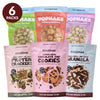
The Classic Snack Bundle

The Classic Snack Bundle

Add (£22.99)
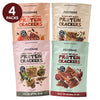
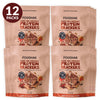
The Protein Cracker Bundle - 4x100g

The Protein Cracker Bundle - 4x100g

Add (£12.99)
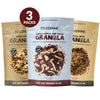
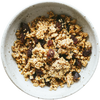
The Granola Bundle - 3x300g

The Granola Bundle - 3x300g

Add (£14.99)
Seeded Omega and Millet Crackers - 100g

Seeded Omega and Millet Crackers - 100g

Add (£3.99)
Sweet Beetroot Protein Crackers - 100g

Sweet Beetroot Protein Crackers - 100g

Add (£3.99)
Sweet Chilli Beetroot Protein Crackers - 100g

Sweet Chilli Beetroot Protein Crackers - 100g

Add (£3.99)
Rosemary Garlic Protein Crackers - 100g

Rosemary Garlic Protein Crackers - 100g

Add (£3.99)
Ashwagandha Chocolate Chip Cookies - 160g

Ashwagandha Chocolate Chip Cookies - 160g

Add (£4.49)
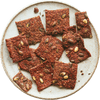
Cardamom and Ginger Protein Snaps - 120g

Cardamom and Ginger Protein Snaps - 120g

Add (£4.49)
Ashwagandha and Cocoa Granola - 300g

Ashwagandha and Cocoa Granola - 300g

Add (£5.99)
Pumpkin Spice Granola - 300g

Pumpkin Spice Granola - 300g

Add (£5.99)
Homemade Granola - 300g

Homemade Granola - 300g

Add (£5.99)
Chillimon Ginseng Pophaks - 25g

Chillimon Ginseng Pophaks - 25g

Add (£3.99)
Salted Ashwagandha Pophaks - 25g

Salted Ashwagandha Pophaks - 25g

Add (£3.99)
Minty Moringa Pophaks - 25g

Minty Moringa Pophaks - 25g

Add (£3.99)
Turmeric Latte Blend - 150g

Turmeric Latte Blend - 150g

Add (£7.99)
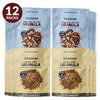
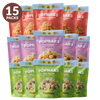
Granola Snack Bundle - 12 Minis

Granola Snack Bundle - 12 Minis

Add (£15.99)
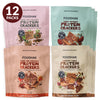
Protein Cracker Snack Bundle - 12 Minis

Protein Cracker Snack Bundle - 12 Minis

Add (£15.99)
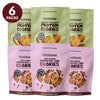
Cookies Snack Bundle - 6 Minis

Cookies Snack Bundle - 6 Minis

Add (£11.99)
Pophaks Snack Bundle - 15 Minis

Pophaks Snack Bundle - 15 Minis

Add (£19.99)
Seeded Omega and Millet Protein Crackers Bundle - 12 Minis

Seeded Omega and Millet Protein Crackers Bundle - 12 Minis

Add (£15.99)
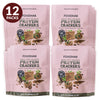
Rosemary Garlic Protein Crackers Bundle - 12 Minis

Rosemary Garlic Protein Crackers Bundle - 12 Minis

Add (£15.99)
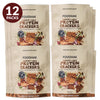
Sweet Beetroot Protein Cracker Bundle - 12 Minis

Sweet Beetroot Protein Cracker Bundle - 12 Minis

Add (£15.99)
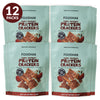
Sweet Chilli Beetroot Protein Cracker Bundle - 12 Minis

Sweet Chilli Beetroot Protein Cracker Bundle - 12 Minis

Add (£15.99)
Christmas Gift Bundle

Christmas Gift Bundle

Add (£33.99)

Review your box

Filters

X

26-12-2025 02-01-2026

Blogs

High-Protein Diets and Kidney Health: Myths, Facts, and What Really Matters

High-Protein Diets and Kidney Health: Myths, Facts, and What Really Matters

Protein has become the star of modern nutrition.

From high-protein snacks and shakes to “protein-first” meal plans, it’s everywhere , promising muscle, metabolism, and satiety. But with its rise comes a persistent warning:


“Too much protein is bad for your kidneys.”


Is that actually true?
Or is it another nutrition myth that refuses to retire.


Where Did This Idea Come From?


The concern around protein and kidney health isn’t random.


People with chronic kidney disease (CKD) are often advised to limit protein intake. That’s because damaged kidneys struggle to filter waste products from protein metabolism efficiently. Reducing protein can help lower that burden in people with existing kidney disease.


Over time, this clinical recommendation spilled into mainstream wellness advice, and suddenly, protein became suspicious for everyone.


But here’s the key distinction that often gets lost:


Guidelines for people with kidney disease are not automatically relevant to healthy individuals.


What Happens to Protein in the Body?


When you eat protein, your body breaks it down into amino acids, the building blocks used for:


  1. Muscle repair and growth
  2. Hormone production
  3. Immune function
  4. Enzyme activity


As protein is metabolised, waste products like urea are formed and filtered out by the kidneys.


Yes, higher protein intake increases kidney workload temporarily.
But increased workload does not automatically mean damage.


Think of it like exercise:


  1. Lifting heavier weights makes muscles work harder
  2. That doesn’t mean lifting weights damages healthy muscles
  3. It makes them adapt


Healthy kidneys are remarkably good at adapting, too.


What Does the Research Say?


Multiple large reviews and long-term studies show no evidence that high-protein diets damage kidney function in healthy people.


Key findings include:

  1. Increased protein intake raises kidney filtration rate, but does not cause structural damage.
  2. No decline in kidney function has been observed in healthy adults consuming high-protein diets over time.
  3. Protein restriction offers no benefit to people with normal kidney function.


In short:


There is no strong evidence that high protein intake causes kidney disease in healthy individuals.


When Protein Can Be a Problem


This is where nuance matters.

High protein intake may require caution if someone:

  1. Has diagnosed chronic kidney disease
  2. Has reduced kidney function
  3. Has been advised by a healthcare professional to limit protein


In these cases, protein needs should be medically supervised and personalised.

For everyone else? Protein is not the villain it’s made out to be.


How Much Protein Is “Too Much”?


There’s no single number that applies to everyone.


Protein needs depend on:

  1. Body size
  2. Activity level
  3. Muscle mass
  4. Age
  5. Health status


For context:


  1. The general recommendation is ~0.8 g/kg body weight per day.
  2. Active individuals often benefit from 1.2–2.0 g/kg.
  3. Higher intakes are commonly used in athletic and weight-loss contexts without harm in healthy people.


Problems don’t usually come from protein itself, but from imbalanced diets, poor hydration, or ignoring individual needs.


The Foodhak Perspective: It’s Not About More, It’s About Right.


At Foodhak, we don’t believe in blanket rules like “high protein is bad” or “more protein is always better.”


We believe in:

  1. Context
  2. Individual biology
  3. Data over fear


Protein supports muscle, metabolism, and satiety, but it works best when:


  1. Paired with adequate fibre

  2. Balanced with carbs and fats

  3. Adjusted to your health status

  4. Matched to how your body responds


Nutrition isn’t about extremes.
It’s about alignment.


The Bottom Line


Let’s simplify:

✔ High protein does not damage kidneys in healthy people.
✔ Protein restriction is necessary only for specific medical conditions.
✔ Fear around protein is often outdated or misapplied.
✔ Personalisation matters more than trends.


Protein isn’t harming your kidneys.
But misinformation might be harming your food choices.

And that’s something we can fix.

Fibremaxxing: The Wellness Trend Your Gut Actually Asked For

Fibremaxxing: The Wellness Trend Your Gut Actually Asked For

Scroll through social media long enough and you’ll see it everywhere.
Smoothie bowls stacked with seeds. Salads that crunch back. Daily fibre totals proudly shared alongside gym selfies.


The trend? Fibremaxxing, the idea of intentionally increasing the fibre in your diet.

And unlike many wellness fads that flare up and disappear, this one has nutrition science quietly cheering it on.


What Is Fibremaxxing, Really?


Fibremaxxing isn’t about extremes or restriction.


It’s about maximising fibre intake through real, whole foods, fruits, vegetables, legumes, whole grains, seeds, to support digestion, energy, and metabolic health.


The goal isn’t to eat as much fibre as humanly possible.
It’s to reach the recommended daily intake consistently.


Most adults should aim for roughly:


  • 25g per day


Here’s the catch: most people don’t even get close.


Modern diets tend to land far below that, often because ultra-processed foods push fibre-rich options off the plate.


So fibermaxxing?
It’s less about chasing a trend and more about closing a nutrition gap.


Why Fibre Has Such a Big Impact?


Fibre doesn’t just “keep things moving.” That’s the bare minimum.


When you eat enough fibre:


  1. Your digestion becomes more regular and comfortable.
  2. Gut bacteria get the fuel they need to thrive.
  3. Blood sugar absorption slows, supporting steadier energy.
  4. Cholesterol levels can improve.
  5. You feel fuller for longer ,without forcing restriction.


Fibre works quietly, consistently, and system-wide.
That’s why people often notice better energy, fewer crashes, and improved digestion when they increase it, sometimes within days.


Where Fibre Actually Comes From?


Fibremaxxing doesn’t require powders or special products.


The best sources are simple:

  • Fruits and vegetables, especially with skins and seeds.

  • Legumes like lentils, chickpeas, and beans.

  • Whole grains such as oats, quinoa, and brown rice.

  • Seeds like chia and flax, which pack a surprising punch.


Small additions matter. A spoon of seeds here. An extra vegetable there. Over time, those choices add up.


The Most Important Rule: Go Slow


This part matters.

Jumping from low fibre to very high fibre overnight can backfire, hello bloating, gas, and digestive discomfort.


A smarter approach:

  1. Increase fibre gradually
  2. Drink enough water (fibre needs fluid to do its job)
  3. Spread fibre intake across meals, not all at once


Your gut adapts, it just needs time.


The Foodhak Perspective on Fibremaxxing


Here’s where trends often fall short: not every body responds the same way.


Some people thrive on higher fibre.
Others need a more tailored balance depending on gut health, stress, hormones, and metabolism.


That’s why Foodhak focuses on personalised nutrition , helping you understand how your body responds, not just what’s trending online.


Fibremaxxing works best when it’s:

  • Data-informed

  • Gradual

  • Adapted to you

No extremes. No guesswork. Just smarter fuel.


Ultra-Processed Foods: What They Are and Why We Eat More Than We Realise

Ultra-Processed Foods: What They Are and Why We Eat More Than We Realise

Ultra-processed foods are everywhere, in our kitchens, lunchboxes, and daily routines.
Most of us don’t actively choose to eat them. We simply don’t realise how much of our food now falls into this category.


So what exactly are ultra-processed foods, and why are they so hard to avoid?


What Are Ultra-Processed Foods?


Ultra-processed foods are industrially manufactured products made using ingredients you wouldn’t typically use in home cooking.


They often contain:

  1. Refined starches and sugars
  2. Industrial oils
  3. Flavourings, colours, emulsifiers, and stabilisers
  4. Ingredients designed to improve texture, taste, and shelf life


These foods are formulated for convenience, consistency, and palatability, not necessarily nourishment.


Common Examples People Don’t Expect


When people think of ultra-processed foods, they often picture crisps or fizzy drinks.
But many everyday products also fall into this category:


  1. Flavoured yogurts
  2. Breakfast cereals
  3. Protein bars
  4. Ready sauces and dressings
  5. Packaged breads and wraps
  6. Sweetened plant-based milks


These foods may look “healthy” on the front of the pack, but the ingredient list often tells a different story.


Why Do We Eat So Much of Them?


1. They’re Designed to Be Easy

Ultra-processed foods are ready when you are. No prep, no planning, no clean-up.
In busy lives, convenience often wins.


2. They’re Engineered for Taste

These foods are carefully designed to hit the perfect balance of:

  1. Sweet
  2. Salty
  3. Fatty

This makes them easy to overeat, often without noticing.


3. Marketing Makes Them Feel Safe

Words like natural, high-protein, low-fat, or made with real ingredients create a health halo, even when the formulation is highly processed.


4. They Blend Into Everyday Eating

Ultra-processed foods aren’t just “treats” anymore.
They’ve quietly become:

  1. Breakfast
  2. Snacks
  3. Lunches
  4. Convenience dinners


When something is eaten daily, it stops feeling like a processed choice.


Does Eating Ultra-Processed Foods Automatically Mean Poor Health?


Not necessarily.

Ultra-processed foods exist on a spectrum. Some are:

  1. Occasional conveniences

  2. Useful during busy periods

  3. More practical than no food at all

The issue isn’t perfection, it’s proportion.
Problems tend to arise when these foods make up the majority of the diet.


Why Awareness Matters More Than Elimination?


Trying to completely eliminate ultra-processed foods is unrealistic for most people.
What is realistic is learning to:

  1. Recognise them
  2. Understand why they’re appealing
  3. Choose them more intentionally

Awareness allows flexibility without guilt.


How to Spot Ultra-Processed Foods Quickly


You don’t need to memorise scientific terms. A few simple checks help:

  1. Long ingredient lists
  2. Ingredients you wouldn’t use at home
  3. Multiple forms of sugar or starch
  4. “Flavourings” without a clear source

If the product feels more like a formula than food, it likely is.


A More Balanced Approach


Instead of asking, “Is this food allowed?”, try asking:

  1. Is this an everyday food or an occasional one?
  2. Does this replace something more nourishing?
  3. Am I choosing this for convenience or enjoyment?

There’s room for both awareness and enjoyment.


Final Thought


Ultra-processed foods didn’t take over because people lack willpower.
They took over because they’re easy, affordable, and everywhere.

Understanding what they are, and why we’re drawn to them, is the first step to making choices that work for you, not against you.


How to Do Veganuary the Right Way?

How to Do Veganuary the Right Way?

Veganuary has become a powerful moment in the year. A chance to reset habits, explore plant‑based eating, and make choices that feel better for both body and planet.But doing Veganuary well matters.

Too often, people jump in with good intentions and end up tired, hungry, bloated, or frustrated by mid‑month. Not because plant‑based eating doesn’t work, but because it’s approached without balance.

At Foodhak, we believe Veganuary works best when it’s intentional, nourishing, and realistic.

Here’s how to do it the right way.


1. Focus on nourishment, not restriction.

Veganuary isn’t about cutting things out,it’s about adding the right things in.One of the biggest mistakes people make is removing animal products without replacing them properly. This often leads to low energy, constant snacking, or cravings.A well‑balanced Veganuary prioritises:

Whole plant foods
  1. Adequate protein and fibre
  2. Healthy fats
  3. Meals that actually satisfy
Plant‑based eating should leave you feeling supported, not depleted.


2. Don’t fall into the ultra‑processed vegan trap

Just because something is vegan doesn’t mean it’s nourishing.Many supermarket vegan options are still highly processed, low in fibre, and built for convenience rather than wellbeing. These foods can make Veganuary feel harder than it needs to be.

Instead, anchor your diet around:
  1. Whole grains
  2. Legumes, seeds and nuts
  3. Vegetables in all forms
  4. Minimally processed snacks with purpose
Reading labels matters..... especially during Veganuary.


3. Fibre is your foundationProtein gets a lot of attention during Veganuary, and rightly so — but fibre is just as important.

Fibre supports:
  1. Gut health
  2. Stable energy levels
  3. Satiety and appetite regulation
  4. Digestive comfort


Many people unknowingly eat far less fibre than recommended, especially when relying on refined or convenience foods. A fibre‑rich plant‑based diet helps Veganuary feel easier, more sustainable, and more enjoyable.

This is why fibre‑rich foods are a non‑negotiable part of doing Veganuary well.


4. Build simple, repeatable meals

Veganuary doesn’t need to be complicated.Rather than chasing new recipes every day, aim for simple, repeatable meals you can rely on. A few go‑to breakfasts, lunches and snacks will help you stay consistent without decision fatigue.Think:


  1. Warm, nourishing breakfasts
  2. Balanced lunches with protein, fibre and fats
  3. Snacks that genuinely keep you satisfied between meals


Consistency is what makes Veganuary stick.


5. Choose snacks that support your goals

Snacking can either support Veganuary, or quietly undermine it.Low‑fibre, high‑sugar snacks often lead to energy crashes and constant hunger. On the other hand, snacks built with plant protein, fibre and functional ingredients can help stabilise energy and reduce cravings.

At Foodhak, our snacks and meals are designed with this balance in mind, combining real ingredients with purposeful nutrition to support digestion, satiety and everyday wellbeing.

Snacks shouldn’t just fill a gap. They should do something useful.


6. Think beyond January

The most successful Veganuary experiences don’t end on January 31st.Instead of aiming for perfection, focus on building habits you’ll want to continue:
  1. Eating more plants
  2. Choosing food with intention
  3. Paying attention to how food makes you feel


Veganuary can be a starting point,not a finish line.


The Foodhak approach to Veganuary

At Foodhak, we believe plant‑based eating works best when it’s grounded in clarity, balance and function.

Not extremes. Not trends. Not restriction.Just thoughtful food that supports real life.

Whether you’re doing Veganuary for the first time or returning to it with more intention, doing it the right way means listening to your body, prioritising nourishment, and choosing food that genuinely supports how you want to feel.Veganuary isn’t about doing more. It’s about doing better.
How to Support Gut Health in Real Life (Without Overdoing It)

How to Support Gut Health in Real Life (Without Overdoing It)

Now that we’ve covered what fermented foods, prebiotics and postbiotics actually are, let’s talk about the part that matters most:


How do you make this work in everyday life?


Because gut health isn’t built in theory, it’s built in your weekly food choices.


Why “More” Isn’t Always Better for Gut Health?


One of the biggest mistakes people make is trying to do everything at once:

  1. Adding loads of fibre overnight.

  2. Drinking kombucha daily.

  3. Taking multiple supplements.


This often leads to:

  1. Bloating.

  2. Discomfort.

  3. Inconsistent habits.

  4. Giving up altogether.


Gut health responds best to gradual, consistent changes.


What a Gut-Friendly Day of Eating Might Look Like?


Not a plan, just a pattern.

  1. Fibre from meals like oats, vegetables, pulses or wholegrains.

  2. Fermented foods included when you enjoy them (not forced).

  3. Balanced meals that keep blood sugar steady.

  4. Enough variety to support different bacteria.


No single food makes or breaks gut health. Patterns do.


Common Gut Health Myths (That Make Things Harder)


“You need supplements to fix your gut”

Not always. Many people can support gut health through food alone.


“Fermented foods work instantly”

Gut changes take time. Think weeks, not days.


“If it’s healthy, more is better”


Too much fibre too fast can backfire.


How Foodhak Helps Make Gut Health Simpler


Understanding gut health is useful, but applying it consistently is where most people struggle.

Foodhak helps by:


  1. Showing balance, not extremes.
  2. Helping you spot patterns in how food makes you feel.
  3. Supporting realistic eating habits that fit real life.


Instead of chasing trends, Foodhak helps you understand what your body responds to , which is what gut health is really about.


The Takeaway


You don’t need to overhaul your diet or eat fermented foods at every meal.

Gut health improves when you:

  1. Eat a variety of foods.
  2. Include fibre regularly.
  3. Avoid extremes.
  4. Stay consistent over time.


Fermented foods, prebiotics and postbiotics aren’t rules to follow, they’re tools to support your body.


And with the right guidance, they don’t have to feel confusing.

Fermented Foods, Prebiotics & Postbiotics, What’s the Difference (Really)?

Fermented Foods, Prebiotics & Postbiotics, What’s the Difference (Really)?

Gut health is everywhere right now. From supermarket shelves to social media, everyone seems to be talking about fermented foods, prebiotics and postbiotics, often interchangeably.


But here’s the truth:
They’re not the same thing, and understanding how they work together can completely change how you approach food.


In this article, we’re breaking down what each one actually is, why they matter, and why gut health is about balance, not chasing trends.


Why Gut Health Isn’t Just About Digestion


Your gut does far more than digest food. It influences:

  1. Energy levels.
  2. Immune function.
  3. Hormone regulation.
  4. Mood and mental clarity.
  5. Inflammation in the body.

That’s because your gut microbiome ,the trillions of bacteria living in your digestive system, plays a key role in how your body functions day to day.

Supporting this system isn’t about one magic food. It’s about giving it the right inputs over time.


Fermented Foods: Introducing Helpful Bacteria


Fermented foods are created when bacteria or yeast break down sugars naturally. This process can introduce live beneficial bacteria into your gut.

Common fermented foods include:

  1. Live yoghurt
  2. Kefir
  3. Kimchi
  4. Sauerkraut
  5. Miso
  6. Tempeh
  7. Kombucha


What fermented foods actually do


  1. Add diversity to your gut bacteria.
  2. Support digestion.
  3. Help some people tolerate foods more easily.


However, fermented foods aren’t a quick fix. Not all products contain live cultures by the time you eat them, and benefits depend on regular intake, not occasional consumption.


Prebiotics: Feeding the Bacteria You Already Have


Prebiotics are a type of fibre that you can’t digest, but your gut bacteria can.

Think of prebiotics as fertiliser for your microbiome.

Foods rich in prebiotics include:

  1. Garlic and onions
  2. Leeks and asparagus
  3. Oats
  4. Bananas
  5. Lentils and chickpeas
  6. Chicory root


Why prebiotics matter


  • They help beneficial bacteria grow.

  • They support regular digestion.

  • They encourage a more balanced gut environment.


Without enough prebiotics, even “good” bacteria struggle to survive.


Postbiotics: Where the Real Benefits Happen


Postbiotics are what your gut bacteria produce after they digest prebiotics.


These compounds:

  • Support the gut lining.

  • Help regulate inflammation.

  • Play a role in immune and metabolic health.


You don’t consume postbiotics directly.
They’re the result of a well-fed, well-balanced microbiome.


The Simple Truth So Far


Here’s the easiest way to remember it:

  1. Fermented foods → add bacteria
  2. Prebiotics → feed bacteria
  3. Postbiotics → benefit your body


They work best together, not in isolation.

Sustainable Weight Loss: How Smart Food Choices (and Foodhak) Help You Stick to Your Resolutions.

Sustainable Weight Loss: How Smart Food Choices (and Foodhak) Help You Stick to Your Resolutions.

Why Weight Loss Resolutions Often Fail?


Every year, millions of people set weight loss resolutions, eat healthier, lose fat, feel better. Yet by February, many give up. The problem isn’t motivation. It’s unsustainable habits, confusing nutrition advice, and lack of clarity about what we actually eat.


Sustainable weight loss doesn’t come from extreme dieting. It comes from understanding food, making smarter choices consistently, and building habits that last. That’s where tools like Foodhak make a real difference.


What Is Sustainable Weight Loss?

Sustainable weight loss focuses on:

  1. Improving metabolic health.
  2. Preserving muscle mass.
  3. Maintaining energy and mental clarity.
  4. Creating habits you can stick to for life.


Instead of “quick fixes,” it prioritizes:

  • Whole foods over ultra-processed foods.

  • Balanced macronutrients (protein, carbs, fats).

  • Stable blood sugar levels.

  • Consistency over perfection.


The Hidden Reason Weight Loss Is So Hard


Most people struggle because they:

  • Don’t know what’s really in their food.

  • Underestimate sugar, salt, and additives.

  • Follow generic advice that ignores personal health needs.

  • Feel overwhelmed reading nutrition labels.


Even foods marketed as “healthy” can sabotage weight loss goals if consumed blindly.


How Foodhak Helps You Make Better Food Choices


Foodhak is designed to remove guesswork from eating healthy.


1. Instant Food Analysis

By scanning a product, Foodhak analyses:

  • Ingredients and additives

  • Sugar quality

  • Level of processing

  • Potential health concerns

This allows you to avoid foods that quietly stall fat loss.


2. Personalised Health Insights

Weight loss isn’t one-size-fits-all. Foodhak helps you understand:

  • How food affects your body?

  • What supports your energy, digestion, and metabolism?

  • Which foods align with your health goals?


Personalisation increases adherence, and adherence is the key to results.


3. Habit Building Without Restriction


Instead of banning foods, Foodhak:


  • Encourages informed swaps.

  • Builds awareness rather than guilt.

  • Helps you improve choices gradually.

This makes healthy eating feel manageable, not exhausting.


4. Why Knowledge Beats Willpower


Research consistently shows that people who understand what they eat:

  • Make healthier decisions automatically.

  • Experience fewer cravings.

  • Maintain weight loss longer.


Foodhak empowers users with clarity, turning every grocery trip into an opportunity to reinforce healthy habits.


The Foodhak Takeaway


Lasting weight loss isn’t about eating less,it’s about eating smarter.

With the right information, tools, and habits, you don’t need extreme diets or constant discipline. You need clarity, consistency, and support.

Foodhak helps bridge the gap between good intentions and real-world behaviour, making weight loss sustainable, informed, and achievable.

The Big 5 Hormones That Affect Your Weight (and How Food Influences Them)

The Big 5 Hormones That Affect Your Weight (and How Food Influences Them)

If weight loss were only about calories, most people wouldn’t struggle as much as they do. At Foodhak, we look beyond calorie math to what actually drives metabolism, hunger, fat storage, and energy levels: hormones.


Hormones act like messengers, telling your body when to store fat, when to burn it, when you’re hungry, and when you’re satisfied. When they’re balanced, weight loss feels natural. When they’re not, even “doing everything right” can feel frustrating.


Here are the five most influential hormones affecting body weight, and how food can help (or hurt) them.


1. Insulin: The Blood Sugar & Fat-Storage Hormone


What it does:
Insulin helps move glucose (sugar) from your bloodstream into your cells for energy. When insulin levels stay high too often, your body shifts into fat-storage mode and has trouble accessing stored fat.


When it’s out of balance:

  1. Strong cravings, especially for carbs or sugar.
  2. Energy crashes after meals.
  3. Difficulty losing weight despite eating less.


How food influences insulin:

  1. Refined carbs and sugary foods spike insulin rapidly.

  2. Frequent snacking keeps insulin elevated all day.


Let’s ask Faye:

  1. Prioritise protein at every meal to slow glucose absorption.
  2. Pair carbs with fibre, fat, or protein.
  3. Focus on whole-food carbohydrates like vegetables, legumes, and intact grains.
  4. Eat regular meals instead of grazing all day.

Balanced blood sugar is often the first step toward hormonal weight loss.


2. Cortisol: The Stress & Survival Hormone


What it does:
Cortisol helps you respond to stress. In short bursts, it’s helpful. Chronically elevated cortisol, however, tells your body to hold onto fat,especially around the abdomen.


When it’s out of balance:

  1. Stubborn belly fat.

  2. Feeling “wired but tired”.

  3. Sugar or salty cravings under stress.


How food influences cortisol:

  1. Skipping meals or eating too little raises cortisol.

  2. Excess caffeine on an empty stomach amplifies stress signals.

  3. Very low-carb diets can increase cortisol in some people.


Let’s ask Faye:

  1. Eat consistent meals to signal safety to your body.
  2. Include complex carbs (like vegetables or whole grains) to lower stress response.
  3. Focus on magnesium-rich foods (leafy greens, seeds, legumes).
  4. Avoid turning food restriction into another stressor.


Weight loss should reduce stress on the body,not increase it.


3. Leptin: The Satiety Hormone


What it does:
Leptin tells your brain when you’ve had enough to eat. Ideally, it helps regulate appetite and body weight over time.

When it’s out of balance (leptin resistance):

  1. You feel hungry even after eating enough.
  2. Weight loss plateaus despite effort.
  3. Overeating feels automatic rather than intentional.


How food influences leptin:

  1. Ultra-processed foods disrupt leptin signaling.
  2. Chronic dieting lowers leptin, increasing hunger.


Let’s ask Faye:

  1. Eat enough calories from nutrient-dense foods.
  2. Prioritise protein and fibre to enhance satiety.
  3. Reduce ultra-processed foods that confuse hunger signals.
  4. Focus on consistency over restriction.

Leptin balance is why sustainable weight loss feels calm,not like a constant fight.


4. Ghrelin: The Hunger Hormone


What it does:
Ghrelin signals hunger and increases appetite. It rises before meals and falls after eating,when meals are satisfying.


When it’s out of balance:

  1. Constant hunger.
  2. Late-night cravings.
  3. Feeling unsatisfied after meals.


How food influences ghrelin:

  1. Low-protein meals don’t suppress ghrelin well.
  2. Poor sleep increases ghrelin the next day.
  3. Highly refined foods digest too quickly.


Let’s ask Faye:

  1. Start meals with protein and fibre.
  2. Eat slowly and mindfully.
  3. Build meals that digest gradually (whole foods > liquid calories).
  4. Support sleep as part of nutrition strategy.

When ghrelin is regulated, appetite becomes informative,not overwhelming.


5. Thyroid Hormones: The Metabolism Regulators


What they do:
Thyroid hormones influence how efficiently your body uses energy. They affect metabolic rate, temperature regulation, and overall vitality.


When they’re out of balance:

  1. Fatigue and sluggishness.
  2. Feeling cold easily.
  3. Weight gain or difficulty losing weight.


How food influences thyroid hormones:

  1. Undereating reduces thyroid hormone conversion.
  2. Deficiencies in iodine, selenium, zinc, and iron can impair function.

Let’s ask Faye:

  1. Avoid chronic calorie restriction.
  2. Include mineral-rich foods like seafood, eggs, legumes, and seeds.
  3. Focus on nourishment before aggressive weight loss.

A supported metabolism burns energy more efficiently,without forcing it.


Why Foodhak Focuses on Hormones?

At Foodhak, we believe food isn’t just fuel,it’s information. Every meal sends signals that shape hormones, metabolism, and appetite.


Instead of asking:

“How do I eat less?”

We ask:

“How do I eat in a way that helps my body feel safe, balanced, and responsive?”


When hormones are supported:

  1. Hunger becomes predictable.
  2. Energy stabilizes.
  3. Weight loss becomes a byproduct of health,not a battle.


The Takeaway

Weight loss isn’t about controlling your body,it’s about working with it. By understanding how insulin, cortisol, leptin, ghrelin, and thyroid hormones respond to food, you can make choices that support long-term health and sustainable results.

If you’re ready to move beyond diets and start eating with your biology in mind, you’re already thinking the Foodhak way.


How to enjoy the Festive Season Without Feeling Exhausted?

How to enjoy the Festive Season Without Feeling Exhausted?

The festive season is meant to be joyful, full of celebrations, family, laughter, and food. But let’s be honest: it often comes with exhaustion, bloating, guilt, and the pressure to “get back on track” once it’s over.


What if this year could be different?


What if you could enjoy the festivities without punishing your body or feeling drained afterward?


At Foodhak, we believe celebrations don’t need extremes. With the right awareness and a little support from the Foodhak app, you can stay energised, balanced, and happy, while still enjoying every bite.


1. Drop the “All or Nothing” Mindset


One of the biggest reasons people feel exhausted during festive seasons is the cycle of:

  • Overindulging

  • Feeling guilty

  • Restricting food

  • Losing energy and motivation


Foodhak encourages balance, not perfection.


Instead of labeling foods as “good” or “bad,” use the app to understand:


  • What your body needs?

  • How different foods affect your energy and digestion?

  • How to build meals that support you before and after celebrations?


Enjoy the sweets. Enjoy the snacks. Just don’t punish yourself for it.


2. Eat to Support Your Energy (Not Just Your Cravings)


Festive food is delicious, but meals that are only high in sugar and refined carbs can leave you feeling sluggish and bloated.

Using the Foodhak app, you can:

  • Track your meals mindfully

  • See how balanced your plate is

  • Make small adjustments to add protein, fiber, and healthy fats


Simple festive swap ideas:

  • Pair sweets with nuts or yogurt

  • Add protein and fibre alongside celebratory meals

  • Include fruits and vegetables where possible, not to restrict, but to support digestion


These small changes can make a huge difference in how you feel.


3. Listen to Your Body’s Signals


Festive exhaustion often comes from ignoring hunger cues, sleep needs, and digestion signals.


Foodhak helps you tune back into your body by:

  • Encouraging mindful eating

  • Helping you notice patterns (like bloating or low energy)

  • Supporting better food choices without pressure


Ask yourself:

  • Am I eating because I’m hungry or because I feel obligated?

  • Do I feel satisfied, or overly stuffed?


There’s no judgment, just awareness.


4. Hydration Is Your Festive Superpower


Between celebrations, travel, and late nights, dehydration is common, and it plays a big role in fatigue and digestive issues.

  • Drink enough water

  • Balance festive beverages with hydration

  • Support digestion and energy levels

Sometimes exhaustion isn’t from “too much food”, it’s from too little water.


5. Ditch the Detox Culture


Your body doesn’t need harsh detoxes or crash diets after celebrations. It already has powerful systems (your liver, gut, and kidneys) doing that job daily.


Foodhak focuses on:

  • Gentle nourishment

  • Consistent habits

  • Long-term health, not quick fixes


Instead of detoxing, focus on:

  • Regular meals

  • Nutrient-dense foods

  • Getting back into your normal routine with kindness

Your body will thank you.


6. Rest Is Part of Wellness Too


Festive wellness isn’t just about food.

Late nights, social commitments, and travel can leave you mentally and physically drained. Foodhak encourages a holistic approach, reminding you that:

  • Rest is productive

  • Sleep supports digestion and metabolism

  • Listening to your limits is self-care


Celebrate Without Burnout


The festive season isn’t a test of willpower, it’s a time to enjoy, connect, and celebrate life.

With the Foodhak app by your side, you can:


✔ Enjoy festive foods mindfully
✔ Maintain energy and digestion
✔ Avoid guilt and extreme restrictions
✔ Support your body with balance and care


This year, choose joy and wellbeing.

Because celebration should leave you feeling fulfilled, not exhausted.

Still Confused About What to Gift This Christmas? Here’s the One Gift That Never Fails

Still Confused About What to Gift This Christmas? Here’s the One Gift That Never Fails

It happens every year.

December rolls in… the lights go up… and suddenly you’re faced with the same big question:


“What on earth do I gift people this Christmas?”


Another candle?
Another bath set?
Yet another generic chocolate box that feels more like an obligation than a surprise?


If you're tired of gifting the same predictable presents, or receiving them, we’ve got something that will make this year's gifting actually exciting.


Introducing the Foodhak Christmas Gift Bundle: a thoughtfully curated festive box filled with wholesome, delicious, comfort-inducing snacks your loved ones will actually want.


Why Generic Gifts Don’t Hit the Same Anymore


Let’s be honest. Most Christmas gifts are:

  • Repetitive

  • One-use items

  • Forgotten by Boxing Day

  • Bought out of panic, not intention


People don’t want more clutter, they want experiences, joy, flavour, wellness, and something that makes them feel thought of.

That’s exactly why our Christmas Gift Bundle stands out.


 The Gift That Everyone Loves, Because It’s Made For Everyone!


Whether they’re:

  • The foodie friend

  • The health-conscious cousin

  • The busy parent

  • The colleague you barely know but still need to gift

  • The host who does everything flawlessly


…a festive snack box always lands well.


It’s indulgent without being unhealthy.
It’s thoughtful without being complicated.
It’s unique without being risky.
And it’s guaranteed to be enjoyed, not just politely accepted.


What Makes the Foodhak Christmas Snack Box So Special?


Inside this limited-edition festive bundle, you’ll find:


  • Seeded Omega & Millet Crackers – nutrient-rich, artisanal crunch.


  • Rosemary Garlic & Sweet Beetroot Protein Crackers – colourful, savoury and perfect for grazing tables.


  • Pumpkin Spice Granola – cosy winter flavours for slow mornings.


  • Ashwagandha Chocolate Chip Cookies – indulgence with a functional twist.


  • Cardamom & Ginger Cookies – festive spices baked into every bite.


  • Turmeric Latte Blend – warm, calming, holiday-evening bliss.


It’s a box that feels premium, festive and delicious, without the artificial ingredients or sugar overload of typical holiday snack gifts.


 Why This Snack Box Makes Gifting So Much Easier


You don’t need to know their size.
You don’t need to guess their taste.
You don’t need to overthink it.


Everyone snacks.
Everyone loves festive flavours.
Everyone appreciates a gift that’s both indulgent and nourishing.


Plus, it comes beautifully packaged, so it’s literally ready to gift the moment it arrives.


Zero stress.
Zero wrapping.
Maximum “OMG I LOVE THIS!” moments.


The Foodhak Takeaway: This Year, Gift Something People Will Actually Enjoy


If you’re bored of generic gifts…
If you’re tired of last-minute panic shopping…
If you want to give something that feels special


Then the Foodhak Christmas Gift Bundle is your answer.


It’s festive.
It’s flavourful.
It’s nourishing.
And it’s guaranteed to be remembered, long after the tree comes down.


 Make gifting simple this year. Order your Christmas Gift Bundle today.

Food Shouldn’t Make You Feel Excluded, Especially During the Holidays!

Food Shouldn’t Make You Feel Excluded, Especially During the Holidays!

The holidays should feel joyful, delicious, and inclusive, not stressful. Yet for many of us, navigating festive meals and endless snack tables can feel isolating when dietary needs aren’t considered. At Foodhak, we believe everyone deserves to enjoy the season without discomfort, confusion, or compromise. From gut-friendly meals to feel-good snacks, this is your guide to a holiday table where everyone belongs.

Creatine and Longevity: Can This Simple Supplement Help You Age Better?

Creatine and Longevity: Can This Simple Supplement Help You Age Better?

Creatine isn’t just for athletes. Emerging research shows it can enhance strength, cognition, and cellular energy, key pillars of healthy aging. Learn how this small but mighty molecule supports longevity and why pairing it with balanced, science-led nutrition can help you age smarter, not slower.