




Can a snack really be “GLP-1 friendly”?
“GLP-1 friendly” might catch your eye. But what does it actually tell you about the snack?
How much protein does it contain? Is there fibre in the portion you’ll eat? What are the ingredients? And if your appetite is smaller, what is that snack contributing to your day?
These are practical questions, especially when you’re choosing food with less appetite than you’re used to. A reassuring phrase on the front can only tell you so much. The ingredients and nutrition panel give you something more concrete to work with.
Before we give the wording too much credit, let’s turn the packet over.
Less appetite. More reason to choose thoughtfully.
GLP-1 medicines can reduce appetite and help people feel fuller. That may mean smaller meals, feeling satisfied sooner or having less interest in eating.
But eating less does not mean your need for essential nutrients falls by the same amount. When your overall food intake drops, getting enough protein, vitamins and minerals can take more attention. A 2025 joint advisory from four nutrition and obesity organisations highlights nutritional adequacy as an important part of care during GLP-1 treatment.
That changes the questions worth asking about food. Alongside “How much do I feel like eating?”, there is also “What will this give me?”
A snack can have a place in that conversation. If you’re hungry between meals, it can offer another opportunity to contribute to your intake in a portion that feels manageable. NHS guidance includes protein-rich snacks as one option for people taking weight-loss medicines who feel hungry between meals.
The aim is to find choices that fit your appetite and contribute to a varied diet, without making every snack break feel like homework.
Why protein is part of the conversation
Weight loss during GLP-1 treatment can include a reduction in lean mass alongside fat. Lean mass includes muscle, water, organs and other tissues, so a change in lean mass should not be interpreted as the same amount of muscle loss.
Still, supporting muscle health matters. Guidance emphasises adequate nutrition alongside resistance training, rather than relying on extra protein alone.
Protein contributes to maintaining muscle, and a smaller appetite can make it harder to get enough consistently. Paying attention to what your meals and snacks provide is therefore useful. Foods such as beans, lentils, tofu, eggs, fish and yoghurt can all contribute, depending on your dietary preferences. Your healthcare team can help you understand what an appropriate protein intake looks like for you.
For a snack, the useful number is the protein in the amount you expect to eat. A large figure on the front may refer to 100g, while your portion could be much smaller.
Knowing the difference helps you understand what you’re actually getting.
Look beyond the front of the packet
You don’t need a perfect snack or a complicated scoring system. A few details can make the choice clearer.
Start with the ingredients and allergen information. Then check protein and fibre per serving, along with the size of that serving. The per-100g figures help you compare products; the portion figures help you understand how they fit into your day.
For example, a snack containing 20g of protein per 100g would provide 5g in a 25g portion. Both numbers are accurate, but they answer different questions.
Look at the rest of the nutrition panel too, including salt, sugars and saturated fat. A protein-to-carbohydrate ratio might describe one aspect of a product, but it cannot tell you whether that snack suits your overall diet, appetite or preferences.
The same applies to “GLP-1 friendly”. The wording alone cannot tell you what is in the packet or whether you will enjoy eating it
Where Foodhak fits in
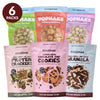
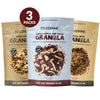
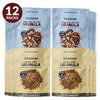
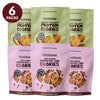
At Foodhak, we believe a snack should bring both flavour and something useful to the table.
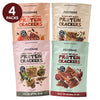
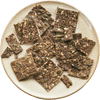
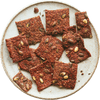
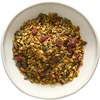
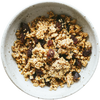
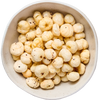
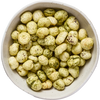
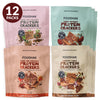
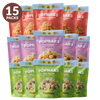
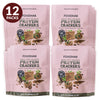
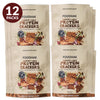
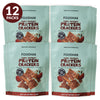
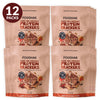
Take our Rosemary Garlic Protein Crackers. A 25g serving provides 8.3g of protein and 4.8g of fibre, with ingredients including chia seeds, pea protein, flaxseed, pumpkin seeds, garlic and rosemary. They offer a savoury, crunchy option to consider as part of a varied diet.
We welcome the same curiosity we encourage elsewhere: read the ingredients, check the full nutrition panel and consider the portion that works for you. Our snacks are one possible addition to your day, rather than a complete answer to your nutritional needs.
And once you’ve read the back, there is still one question the label cannot answer for you: how does it taste?