







Can Snacking Cause Bloating? What Your Snack Habits Could Be Telling You?
You finish an afternoon snack, return to your desk and, not long afterwards, your stomach begins to feel tight, full or uncomfortable.
It is easy to blame the snack itself. But when it comes to bloating, the answer is rarely as simple as labelling one food “good” and another “bad”.
So, can snacking cause bloating?
Snacking does not automatically cause bloating. In some cases, eating smaller amounts more regularly may feel more comfortable than eating a very large meal. However, certain ingredients, portion sizes and eating habits can contribute to gas or digestive discomfort in people who are sensitive to them.
Understanding the relationship between bloating and snacking begins with looking at the full picture: what you eat, how you eat it and how your individual digestive system responds.
What is bloating?
Bloating is the sensation that your stomach feels unusually full, stretched or uncomfortable. Your stomach may also appear larger than normal, feel tight or make more noise than usual.
The most common cause is excess gas in the digestive system. Gas can enter the gut when we swallow air, and it can also be produced when bacteria in the large intestine break down carbohydrates that have not been fully digested. Bloating can also be related to constipation, food intolerances, coeliac disease, irritable bowel syndrome or hormonal changes.
This means that the snack you just ate may be relevant, but it may not be the only reason you feel bloated.
Can snacking cause bloating?
The relationship between snacking and bloating depends on four main factors:
-
The ingredients in the snack.
-
The amount eaten at one time.
-
How quickly the snack is eaten.
-
Your personal tolerance and digestive health.
For one person, a particular snack may cause no symptoms at all. For someone else, the same ingredients or portion may result in gas, fullness or discomfort.
Rather than immediately removing entire food groups, it can be more useful to notice patterns and make one change at a time.
1. Eating snacks too quickly can mean swallowing more air.
Bloating is not always caused by the food itself. Sometimes, it is connected to the way we eat it.
Eating hurriedly while walking, working or travelling can cause us to swallow more air. Talking while eating, drinking through a straw, chewing gum and consuming fizzy drinks can have a similar effect.
The NIDDK recommends eating more slowly, sitting down where possible and avoiding habits such as drinking through straws or chewing gum when excess gas is a problem.
Try treating your snack as a genuine eating occasion rather than something to finish between emails. Sit down, take smaller bites and chew properly. It may sound simple, but slowing down can make it easier to notice both fullness and digestive responses.
2. Large portions can turn a snack into an extra meal.
A snack is not automatically small simply because it comes in a packet.
Eating directly from a sharing bag or keeping an open box beside your laptop makes it difficult to notice how much you have consumed. By the time you feel full, you may have eaten considerably more than intended.
Large amounts of food can leave the stomach feeling stretched and uncomfortable. The NHS recommends smaller, more frequent meals rather than very large meals for people experiencing bloating.
Before eating, place a portion in a bowl or choose an individually sized pack. This does not need to become a strict rule. It simply creates a moment to decide how much you actually want.
3. A sudden increase in fibre can cause temporary discomfort
Fibre is an important part of a balanced diet and supports normal digestive health. UK adults are generally advised to consume around 30g of fibre each day.
However, increasing your fibre intake very quickly can cause gas or bloating while your digestive system adjusts. The British Dietetic Association recommends introducing additional fibre gradually and drinking enough fluid alongside it. Different types of fibre can also affect people differently.
This is particularly relevant when swapping several everyday foods for high-fibre alternatives all at once.
For example, someone might introduce a high-fibre breakfast, a seed-heavy snack, extra pulses at lunch and a fibre supplement within the same week. Each change may be well intentioned, but the combined increase can be difficult for some digestive systems to manage immediately.
A more comfortable approach is to make changes gradually, monitor how you feel and keep drinking water throughout the day.
4. Some carbohydrates produce more gas during digestion
Gas is naturally produced when bacteria in the large intestine break down certain undigested carbohydrates. Some people notice more symptoms after consuming foods containing larger amounts of fibre, fructose or lactose, as well as particular vegetables and legumes.
This does not mean that these foods are unhealthy or need to be avoided by everyone.
Beans, pulses, vegetables, fruit, seeds and wholegrains can all contribute valuable nutrients. However, the amount eaten and an individual’s tolerance can influence whether they experience bloating.
For people with IBS, certain fermentable carbohydrates known as FODMAPs may contribute to symptoms such as gas, abdominal pain and bloating. A low-FODMAP diet is a structured dietary intervention, not a general wellness trend, and should ideally be followed with guidance from an appropriately qualified dietitian.
5. “Sugar-free” does not always mean easier to digest
Sugar-free sweets, protein bars, chewing gums and diet products sometimes contain sweeteners such as sorbitol, mannitol, maltitol or xylitol.
These ingredients are sugar alcohols, also known as polyols. Some people may experience digestive symptoms after consuming them, particularly in larger amounts.
The NIDDK specifically identifies sugar-free gums, sweets and products containing sweeteners ending in “-ol” as potential contributors to excess gas.
When assessing a snack, do not rely only on the “no sugar” or “low sugar” claim on the front. Read the complete ingredient list and notice whether your symptoms repeatedly occur after eating products containing the same sweeteners.
6. Fizzy drinks can add to the problem
A snack is often accompanied by a drink, and that drink may be contributing more to the bloating than the food.
Carbonated drinks contain gas, which can increase feelings of fullness or pressure. The NHS advises limiting fizzy drinks when trying to reduce bloating.
Try pairing your snack with still water or a non-fizzy drink and see whether it makes a difference. Keeping hydrated is also particularly important when increasing fibre intake, as fibre needs fluid to move comfortably through the digestive system.
7. Constant grazing can make triggers harder to identify
There is a difference between eating a planned snack and grazing continuously throughout the day.
When small amounts of several foods are eaten in quick succession, it can become difficult to identify which ingredient, quantity or combination is connected to your symptoms. It may also mean that your digestive system is repeatedly processing food without a clear break between eating occasions.
This does not mean everyone needs a rigid meal timetable. However, creating more intentional eating moments can make it easier to understand your appetite and notice digestive patterns.
If bloating occurs regularly, consider recording:
-
What you ate
-
How much you ate
-
What time you ate
-
How quickly you ate
-
Drinks consumed alongside it
-
When symptoms began
-
Whether you were constipated or menstruating
-
Your stress levels that day
The British Dietetic Association recommends keeping a food and symptom diary and making one change at a time, particularly when digestive symptoms may be related to IBS.
How to snack when you are prone to bloating
There is no single list of “anti-bloating snacks” that will work for everyone. Bloating has several possible causes, and personal tolerance matters.
Instead, try building a snacking routine around a few practical habits.
Choose an appropriate portion
Start with an amount that feels like a snack rather than another full meal. You can always eat more if you remain hungry.
Eat without rushing
Sit down when possible, chew properly and avoid eating while walking or speaking continuously.
Check the complete ingredient list
Look beyond front-of-pack claims. Notice whether the snack contains ingredients you already know you find difficult to tolerate.
Increase fibre gradually
High-fibre foods can play an important role in a balanced diet, but suddenly increasing your intake may cause temporary gas or bloating. Give your digestive system time to adjust.
Drink water
Adequate fluid is especially important when eating more fibre or when constipation may be contributing to bloating.
Avoid unnecessary restriction
Removing dairy, gluten, grains, fruit or other major food groups without understanding the cause of your symptoms can make your diet unnecessarily limited.
If your symptoms continue, speak to a GP or registered dietitian rather than attempting increasingly restrictive diets based on social-media advice.
Where Foodhak fits into more intentional snacking?
At Foodhak, we believe snacking should be enjoyable, convenient and easy to understand.
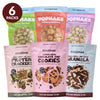
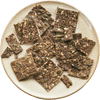
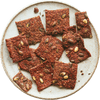
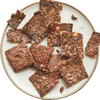
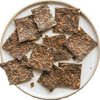
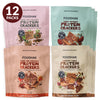
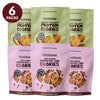
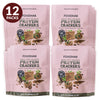
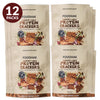
Our protein crackers are made with combinations of seeds, millet flour, rice flour, pea protein, vegetables, herbs and spices. The complete ingredients and nutritional information are provided for each flavour, helping you make a choice based on your own preferences and dietary needs.
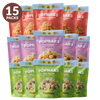
Foodhak’s 25g mini cracker packs can also make portioning more straightforward when you are working, travelling or eating between meals. Each flavour has a different recipe, so checking the label remains important, particularly if you already know that ingredients such as garlic, chilli, seeds or particular types of fibre affect you personally.
No snack can promise to prevent bloating, and foods should not be divided into universal “safe” and “unsafe” lists.
A better approach is to choose clearly labelled products, eat an amount that suits you and pay attention to how your own body responds.
The Foodhak Takeaway: it is not always the snack.
Can snacking cause bloating? Sometimes, a particular snack or ingredient may contribute, but the way you eat can be just as important as what you eat.
Eating quickly, consuming a large portion, drinking something fizzy, introducing too much fibre at once or choosing products containing particular sweeteners may all play a role.
Instead of becoming afraid of snacking, focus on making it more intentional:
-
Eat slowly
-
Choose a sensible portion
-
Drink enough water
-
Increase fibre gradually
-
Read ingredient lists
-
Track recurring symptoms
-
Seek professional advice when bloating persists
Better snacking is not about finding one perfect food. It is about choosing foods you understand, eating them in a way that feels good and learning what works for your own body.